
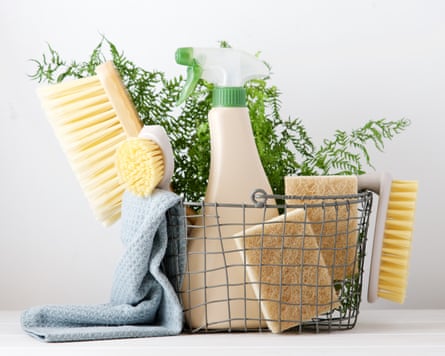
Ever looked at your cleaning cupboard and thought, ‘There’s no way any of this is good for me or the planet’? You’re probably right. Most of those brightly coloured bottles are packed with chemicals that do more harm than good.
But here’s the good news: going green doesn’t mean turning into a DIY detergent expert or spending half your pay on eco labels. With a few swaps, you can save money, cut down on waste, and still keep your home spotless.
So, if you’re ready to clean smarter, not harsher, here’s how to do it.
Use Microfibre Cloths Instead of Paper Towels
Paper towels might seem convenient, but they’re far from sustainable. Used once and tossed away, they quickly pile up in landfills.
Microfibre cloths, on the other hand, stick around for the long haul. They grab onto dirt, trap dust, and wipe away messes with zero waste.
If you’re wondering which kind to get, here’s a trick: keep a small collection of different thicknesses on hand. The thick ones handle heavy-duty jobs, like wiping down the floor or scrubbing grime off appliances, while the thinner ones leave mirrors and glass streak-free.
And yes, there’s a bit of care involved, but it’s nothing too complex. Just toss them in the wash without fabric softeners and let them air dry. They can survive hundreds of washes, so the upfront cost really pays off.
Switch to Natural Cleaning Solutions
Once you’ve ditched the paper towels, it’s time to tackle what’s inside those spray bottles, since some everyday cleaners are chemical cocktails wearing a ‘fresh lemon scent’ disguise. They smell clean, sure, but they’re not doing the planet or your lungs any favours.
However, you don’t need a science degree to go natural. Nature has already got your back with a few household staples: vinegar, baking soda, and lemon. Together, they cover most of your household cleaning needs without any of the harsh fumes or mystery ingredients.
For a simple all-purpose cleaner, just mix equal parts vinegar and water in a spray bottle. Now, you’ve got a go-to solution for benchtops, bathrooms, glass, and even stainless steel.
For tougher spots, like grimy ovens or sinks, sprinkle a bit of baking soda and add a splash of lemon juice.
Better yet, storing these homemade cleaners is incredibly easy. You can use glass jars or bottles and store them somewhere dry. But don’t forget to label them clearly, because nobody wants to spray vinegar on the couch thinking it’s an air freshener!
If you’re not quite ready to go full DIY mode, no stress. There are heaps of plant-based, eco-certified cleaners on the market that perform just as well as the synthetic ones, minus the headaches and questionable runoff.
Opt for Refillable Cleaning Products
Now that you’ve swapped the harsh chemicals for natural cleaners, let’s talk about all those bottles they come in. Trust us, even the most eco-friendly solution loses some of its shine if it’s living in a mountain of plastic.
That’s where refillable cleaning products come in. Instead of buying new bottles every time you run out, you simply refill the one you’ve got. You’ll use less plastic and end up with less clutter under your sink.
Plenty of brands now offer refill pouches or bulk bottles, which not only cut packaging waste but often work out cheaper in the long run.
You can find them at most supermarkets or, if you’re feeling fancy, at local refill stores. Just bring your empty containers, fill them up, and skip the packaging altogether.
By supporting these programmes, you’ll help push larger companies to rethink their packaging.
Replace Disposable Tools with Reusable Ones
Disposable wipes, sponges, and mop heads are convenient until you realise they’re quietly building a second career in landfills.
Swapping to reusable tools isn’t nearly as complicated or expensive as it sounds. Washable mop pads, for example, are a total game-changer. They handle dirt, spills, and sticky floors just as well as disposable ones, and you can just toss them in the wash instead of the bin.
Then there are biodegradable sponges made from natural fibres, like cellulose or loofah. They look a bit old-school, but they break down naturally when they’ve reached the end of their life—no microplastics and definitely no guilt trip every time you clean your sink.
If you want to test the waters before committing fully, try a bi-weekly cleaning service that already uses reusable tools and eco-friendly products.
It’s a great way to see what works without reinventing your entire cleaning routine. Plus, you’ll get a sparkling home and a few new tricks to steal for later.
Use Essential Oils for Fragrance and Cleaning Power
A clean space that still smells faintly like vinegar doesn’t exactly scream ‘relax and unwind.’ So, let’s make your home smell as fresh as it looks.
Essential oils can give your cleaning game a little extra flair. They don’t just make everything smell amazing; many of them actually double as cleaners. Tea tree oil, for example, fights bacteria and mould, while lemon cuts through grease.
You don’t need to go overboard, either. Just a few drops mixed into your vinegar or water-based cleaning sprays can level up your DIY cleaners.
If you’re buying oils, go for pure, eco-certified ones, not the cheap versions that hide synthetic fillers. Store them somewhere cool and dark, and if you end up using them regularly, getting them in bulk can save you a fair bit over time.
Make Your Laundry Routine Green
Laundry might not seem like part of the eco-cleaning conversation, but here’s the thing: those so-called ‘mountain fresh’ detergents are often anything but fresh.
Most standard laundry products are packed with synthetic chemicals that end up in our waterways, cling to our clothes, and linger in the air long after the washing is done.
To avoid this, look for biodegradable, plant-based detergents. They’re tough on stains but gentle on skin, fabrics, and the planet.
If the label says things like ‘phosphate-free,’ ‘greywater safe,’ or ‘cruelty-free,’ you’re on the right track. And don’t worry; you’ll still get that ‘just-washed’ feeling, only without the chemicals.
If you want to go the extra mile, wash your clothes with cold water. Most fabrics don’t actually need a hot wash, and cold cycles keep colours bright. You’ll save on your power bill, too, which never hurts.
When it comes to drying, line-drying is your best bet. It’s energy-efficient and makes your laundry smell naturally fresh.
On the days when the weather refuses to cooperate, dryer balls made from wool or rubber can reduce drying time and soften clothes without any synthetic additives.
Conclusion
As it turns out, going eco-friendly doesn’t have to mean changing everything overnight or spending a fortune on fancy green products. It’s all about small swaps that make sense—the kind that fit into your routine without turning life upside down.
Before you know it, you’ll be living greener without even trying. Not bad for someone who just wanted streak-free glass, right?
More Stories
The Next Frontier: How Advanced Technology is Redefining Human Potential
Revolutionary Pro Gadgets: The Future is Here
Tech Solutions That Will Revolutionize Your Daily Life