
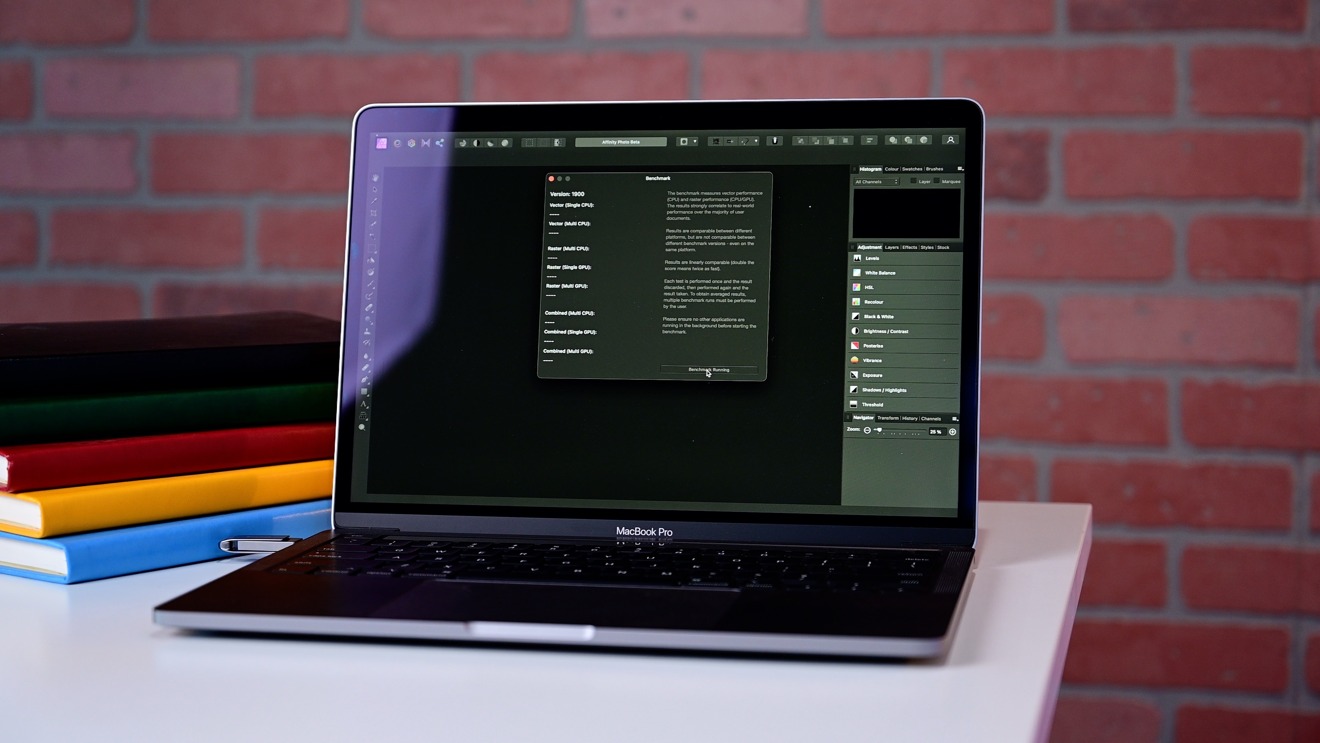
Performance comparisons between Apple M-series processors and Intel-based Macs have been circulating for several years, yet in 2025 the gap is no longer theoretical or confined to benchmarks. It is most clearly felt in everyday use, where differences in architecture shape how machines behave under real workloads. For buyers choosing between older Intel models and Apple Silicon systems, understanding how performance translates into daily productivity is far more useful than raw numbers alone.
The most noticeable distinction appears in responsiveness. Apple M-series systems feel consistently quick, even when handling multiple demanding tasks at once. Opening large applications, switching between projects, and waking from sleep happen almost instantly. This sense of immediacy is not just a by-product of faster processors, but of how Apple designed its system-on-a-chip architecture to minimise delays between components. In contrast, Intel-based Macs often feel fast at launch but can lose that responsiveness as workloads stack up, particularly when background processes compete for resources.
In creative workflows, the difference becomes more pronounced. Video editing, for example, places sustained pressure on both CPU and GPU resources. Apple Silicon excels here because media engines are built directly into the chip, accelerating tasks like encoding and decoding without relying solely on general-purpose cores. Timelines scrub more smoothly, exports complete faster, and performance remains stable even during longer sessions. Intel Macs can still perform these tasks, but they typically draw more power, generate more heat, and are more prone to throttling during extended work.
Software development offers another clear comparison point. Compiling large projects, running local servers, and managing virtual environments all benefit from efficient multi-core performance. Apple M-series processors handle these workloads with ease, maintaining speed without excessive fan noise or battery drain. Intel-based systems often deliver strong initial performance but may struggle to sustain it, especially when multiple tools are running simultaneously. Over the course of a working day, these differences compound into noticeable gains in productivity.
Multitasking is where architectural choices truly reveal themselves. Apple Silicon’s unified memory design allows the CPU and GPU to access the same memory pool without duplication, reducing overhead and improving efficiency. This means that running design software, browsers with dozens of tabs, and background services simultaneously feels less taxing. Intel Macs, built around separate memory and graphics systems, are more likely to slow down under similar conditions as data moves back and forth between components.
Thermal behaviour plays a critical role in real-world performance. Apple M-series machines run cooler and quieter, even under load. Fans either spin minimally or remain silent altogether, allowing performance to remain consistent. Intel Macs, particularly in thinner designs, often rely on aggressive cooling strategies to manage heat. As temperatures rise, performance is reduced to protect components, leading to slower speeds precisely when power is most needed.
Battery-powered performance further widens the gap. Apple Silicon delivers near-identical performance whether plugged in or running on battery, allowing users to work freely without compromise. Intel-based Macs frequently reduce performance when unplugged in order to conserve power, meaning demanding tasks feel slower unless the machine is connected to mains power. For mobile users, this difference fundamentally changes how and where work can be done.
Graphics performance is another area where Apple Silicon has matured significantly. Integrated GPUs in M-series chips now handle tasks that once required dedicated graphics hardware. Design work, light 3D tasks, and GPU-accelerated applications perform smoothly without the energy costs associated with discrete GPUs. Intel Macs, especially those without dedicated graphics cards, struggle to match this balance of power and efficiency.
Long-running tasks highlight a further distinction. Apple M-series systems are designed for sustained workloads, maintaining clock speeds without dramatic fluctuation. Intel systems often show strong peaks followed by gradual decline as heat builds up. Over time, this leads to longer completion times for intensive jobs, even if initial performance appears competitive.
Compatibility concerns, once a point of hesitation, have largely faded. Most mainstream applications now run natively on Apple Silicon, and translation layers for older software perform reliably. This means real-world performance gains are no longer offset by software limitations. Intel Macs, while still supported, increasingly feel like legacy systems as optimisation efforts focus elsewhere.
From a longevity perspective, these performance characteristics matter. A machine that feels fast today but struggles under future software demands will age quickly. Apple Silicon’s efficiency and headroom allow it to absorb new features and heavier applications more gracefully. Intel Macs, already closer to their thermal and power limits, have less capacity to grow with evolving workloads.
It is important to recognise that Intel-based Macs are not unusable in 2025. For lighter tasks, office work, and casual use, they remain perfectly functional. However, the performance experience differs in subtle but persistent ways. Small delays, louder fans, and reduced battery efficiency accumulate into a less fluid experience over time.
The shift in expectations is perhaps the most telling indicator. Users now expect laptops to deliver high performance without heat, noise, or constant charging. Apple M-series systems meet these expectations consistently, while Intel-based designs reflect an earlier era of compromise. This evolution explains why performance comparisons increasingly favour Apple Silicon even outside of controlled testing environments.
Viewed through the lens of daily use, the performance gap is not about isolated tasks but about how a machine supports sustained, modern workflows. Apple M-series processors redefine what users expect from portable computing, while Intel-based Macs reveal the limitations of older design philosophies. For buyers evaluating macbooks in 2025, real-world performance is no longer an abstract metric but a lived experience that shapes productivity every day.
More Stories
The Next Frontier: How Advanced Technology is Redefining Human Potential
Revolutionary Pro Gadgets: The Future is Here
Tech Solutions That Will Revolutionize Your Daily Life